


 Activity
E007/2025/EXB Drug trafficking investigative procedures and serious and organised crime


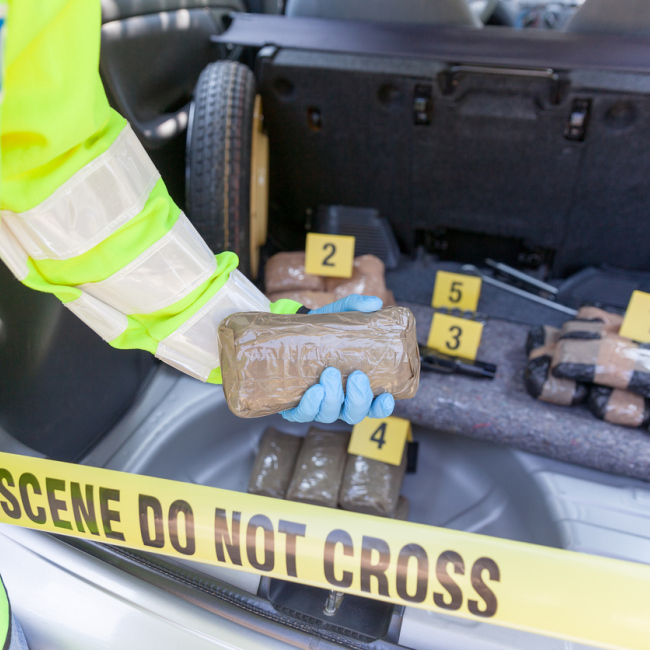
The aim of this training is to inform European law enforcement officials about the investigative procedures and operational practices used across different law enforcement agencies, highlighting the diverse approaches applied to achieve the common goal of interdictions and prosecutions in dismantling Organised Criminal Groups involved in international drug trafficking and other criminal activities.
By the end of this webinar, the audience will be able to:
- Learn how the Guardia Civil and the Bundeskriminalamt operate, how they are structured, and the key differences between the two forces and their areas of specialisation;
- Highlight the importance of geographical locations in drug trafficking, and identify the modus operandi and locations of organised criminal groups operating internationally and affecting European jurisdictions;
- Contrast the use of intelligence, sources of information, and dissemination processes, including assessing the reliability of intelligence, with particular attention to the role of community‑based policing in Irish drug trafficking investigations;
- Understand the challenges faced by Austrian police in relation to organised criminal groups from the Balkans and compare these with crime types in Spain, examining how criminal trends influence both countries;
- Understand the importance of technical assistance and surveillance in advancing investigations;
- Learn the practices for obtaining lawful warrants from Irish, Austrian, and Spanish perspectives, and examine procedures for property searches, marine‑based searches, and joint investigations involving An Garda Síochána, Customs, and the Navy;
- Contrast approaches to gathering evidence and examining drug exhibits across participating jurisdictions;
- Highlight the importance of investigative interviewing of suspects, with specific reference to the Garda Síochána Interviewing Model;
- Contrast the procedures for bringing a case before the judicial authorities in Ireland, Austria, and Spain, and understand the key differences between these processes;
- Emphasise the importance of international police collaboration and cooperation between countries, including those with multiple police forces such as Spain’s National Police and Guardia Civil;
- Learn the common goals shared by police agencies in combatting drug trafficking and organised criminal groups, including teamwork, adherence to legislative frameworks, skilled mobile and technical surveillance, and the support of international agencies such as Europol and police‑to‑police intelligence sharing.
EMPACT training activity
Combatting new forms of organised crime requires more cooperation between police and gendarmes, customs officers, border guards, judges, and prosecutors. EU institutions, agencies and Member States work together to tackle organised and serious international crime through a permanent and key instrument: the European Multidisciplinary Platform Against Criminal Threats (EMPACT).
CEPOL plays a crucial role in the EMPACT mechanism through the provision of specialised training and the identification of training needs within each common security threat. Every year, CEPOL provides a comprehensive training package for each common EU crime priority consisting of onsite, online and exchange training activities.
Check more of CEPOL's EMPACT training activities here.
Related Tags

Details
Time
Target audience
European Law enforcement officials working in:
- Countering drug trafficking
- Combatting organised crime
- Data analysis
- International relations
Important notice:
Please be advised that LEEd will be unavailable between 26–28 January. If you wish to participate, please make sure you complete registration by Sunday, 25 January.


