

 Activity
eLesson: Illicit drugs laboratories - Precursors


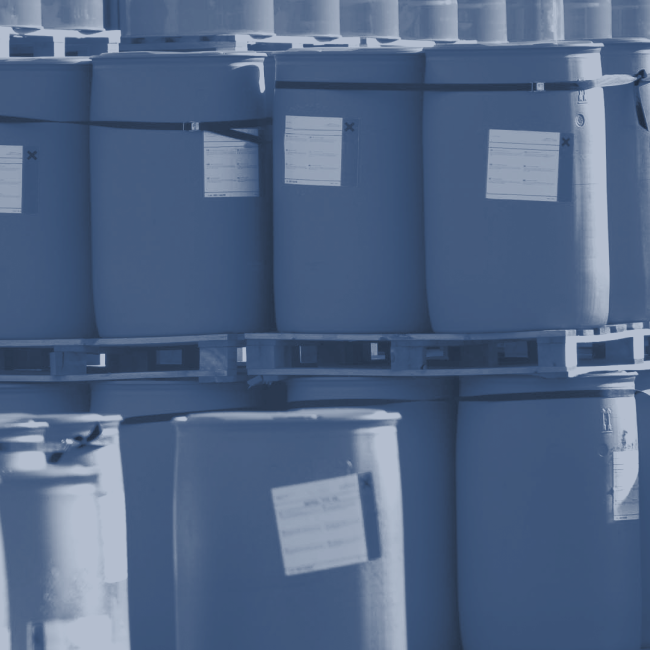
Precursor chemicals are required for the production of illegal synthetic drugs such as amphetamine, methamphetamine and MDMA. They are incorporated into the end products during the manufacturing process and are partly or fully responsible for the psychotropic effects experienced by users.
Recognised drug precursors include scheduled substances that are controlled under intra-European Union (EU) or external trade regulations restricting their license, registration, import and export. They can also be non-scheduled substances that have legitimate legal applications but are included on the EU voluntary monitoring list because they have known uses in the manufacture of illegal synthetic drugs.
In past decades, chemical precursors have tended to be imported – either legally or illegally, depending on the substance – from non-EU countries, particularly China. The 2019 EU Drug Markets Report identified several countries in the Western Balkan region – specifically Albania, Bosnia and Herzegovina, and Serbia – as key transit points for the flow of precursors from Asia into the EU.
Illegal precursor conversion laboratories can present immediate risks to members of local communities, law enforcement officials, and other specialists involved in their investigation and disassembly – as well as to the criminals who operate them. The dumping of waste from precursor conversion can also have wide-ranging and long-lasting repercussions. The production of novel ‘designer precursors’ has exacerbated the environmental damage, health risks and clean-up costs associated with the manufacture of illegal synthetic drugs.
This eLesson delivers a virtual tour of a precursor conversion facility detailing the characteristics of small- and larger-scale laboratories; the chemicals, equipment and methods used; the hazards to watch out for; and the essential safety measures that must be taken by law enforcement officials who discover or are involved in investigating and dismantling these facilities. These topics can be explored by taking the tour and studying the interactive hotspots, which comprise photos, explanatory texts and videos. The tour can be taken from any computer or mobile device and by using virtual reality goggles.
The eLesson also contains a glossary of terms and abbreviations, and a job aid with concrete tips and suggestions for law enforcement officials who encounter suspected illicit precursor conversion laboratories.
eLearners can check their levels of understanding of the topic by considering a selection of quiz questions. On successful completion of the session, participants will obtain a badge and certificate.
The learning outcomes of this eLesson are to:
- Recall the main steps of the most common precursor conversion methods.
- Detail the different raw materials, essential chemicals and equipment used for precursor conversion.
- Name the measures that OCGs take to avoid detection, including the equipment used for this purpose.
- List the evidential value of the different traces, accurate and/or misleading labels, notes, used equipment, packaging material and other artefacts found in illicit precursor production facilities for future prosecutions.
- Describe the hazards associated with investigating illicit precursor production facilities and the countermeasures to take when approaching such sites.
- Explain the safety measures and preventive steps that should be taken by non-specialist law enforcement officials approaching illicit precursor production facilities.
Estimated study time: 60 minutes

Loading data
Related Tags

Details
Organiser
Target audience
The target audience is law-enforcement practitioners – including, forensic experts and judicial authorities.
Registration:
Enrolment for this eLesson is now open for law enforcement officials on CEPOL's eLearning platform LEEd. ENROL HERE.


