

 Activity
eLesson: Illicit drugs laboratories - Tableting


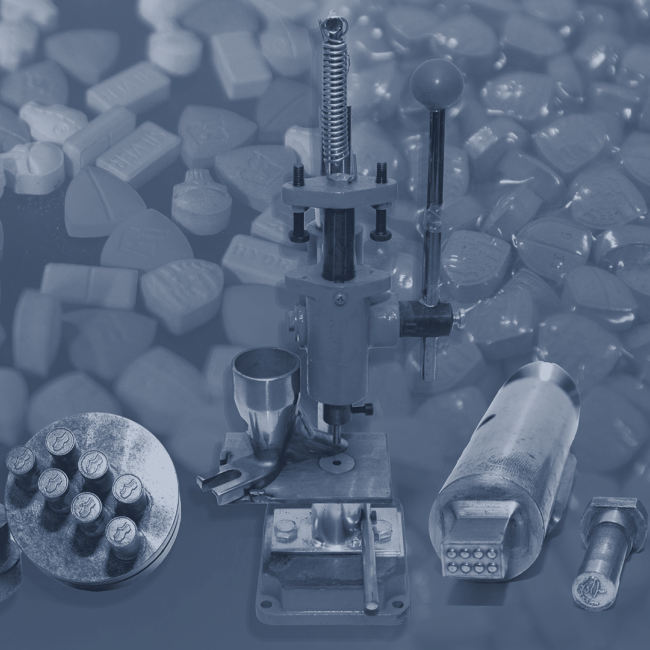
Most synthetic drugs can be converted into tablets through a process in which mixtures of powdered active substances and other chemicals (such as excipients, colourants and adulterants / cutting agents) are physically compressed using single-stroke or rotary presses. These tableting presses are easy to purchase online and are relatively inexpensive.
The EU synthetic drug market is dominated by the production of three substances: methamphetamine; amphetamine (a portion of which is trafficked to the Middle East and sold as ‘captagon’ tablets); and MDMA (often known as ‘ecstasy’), which is mainly supplied in tablet form.
In 2020, the quantities of MDMA tablets seized by law enforcement officials in the EU rose, while the seizures of powders halved. The increasing availability of high-strength MDMA tablets is intensifying the health risks that the drug poses to European consumers. MDMA was the sixth most common substance associated with patients presenting at European Drug Emergencies Network (Euro-DEN Plus) hospitals in 2020, and MDMA was implicated in 6% of acute drug toxicity cases. Batches comprising several thousand MDMA tablets have been detected for sale on the dark market and have been distributed through traditional post and parcel services.
Large-scale illicit drug tableting operations in the EU are often controlled by organised crime groups (OCGs). These criminals are becoming increasingly adept at separating out the different phases of synthetic drug production – including (pre-)precursor acquisition, conversion, tableting and distribution – in order to reduce the risk of detection.
The tableting of illegal drugs poses significant problems within the EU. Illegal drug tableting units can present immediate risks to members of local communities, law enforcement officials, and other specialists involved in their investigation and disassembly – as well as to the criminals who operate them.
This eLesson delivers a virtual tour of a drug tableting unit, detailing: the chemicals, equipment and methods used; the hazards to watch out for; the characteristics of areas dedicated to packaging and shipping; and the essential safety measures that must be taken by law enforcement officials who discover or are involved in investigating and dismantling these facilities. These topics can be explored by taking the tour and studying the interactive hotspots, which comprise photos, explanatory texts and videos. The tour can be taken from any computer or mobile device and by using virtual reality goggles.
The eLesson includes a supplemental section containing additional photos and videos of tablets, tableting machines, chemical ingredients and other equipment required for the tableting process. It also contains a glossary of terms and abbreviations, and a job aid with concrete tips and suggestions for law enforcement officials who encounter illegal drug tableting units.
eLearners can check their levels of understanding of the topic by considering a selection of quiz questions. On successful completion of the session, participants will obtain a badge and certificate.
The learning outcomes of this eLesson are to:
- Recall the main steps and characteristics of tableting.
- Detail the different raw materials and mechanical presses used to produce illicit drug tablets.
- Name the measures that OCGs take to avoid detection, including the equipment used for this purpose.
- List the evidential value of different traces, accurate and misleading labels, notes, used equipment, packaging materials and other artefacts found in illicit tableting facilities for future prosecutions.
- Describe the hazards associated with investigating illicit tableting facilities and the countermeasures to take when approaching such sites.
- Explain the safety measures and preventive steps that should be taken by non-specialist law enforcement officers approaching illicit tableting facilities
Estimated study time: 60 minutes

Loading data
Related Tags

Details
Organiser
Target audience
The target audience is law-enforcement practitioners – including, forensic experts and judicial authorities.
Registration:
Enrolment for this eLesson is now open for law enforcement officials on CEPOL's eLearning platform LEEd. ENROL HERE.


